Since 2023, the administration has fundamentally restructured Nigeria’s agricultural landscape, increasing the sector’s budgetary allocation from ₦228 billion to a record ₦826 billion to drive productivity and industrialization. This historic funding injection underpins a bold national strategy designed to move the country away from crude oil dependency and position agriculture as the ultimate engine for economic diversification and job creation. By establishing clear targets, the government has moved from reactionary interventions to a comprehensive framework that systematically empowers local farmers and scales rural commerce across all 36 states.
A primary milestone in this transformation was the President’s declaration of a national state of emergency on food security. This strategic decision placed all matters concerning food and water availability directly within the purview of the National Security Council, integrating security personnel with rural farming operations to protect farmers from insurgent threats. By treating food availability as a core pillar of national survival, the administration has unlocked concessionary financing and deployed massive tactical support to dry-season farming, effectively breaking the cycle of seasonal food scarcities.
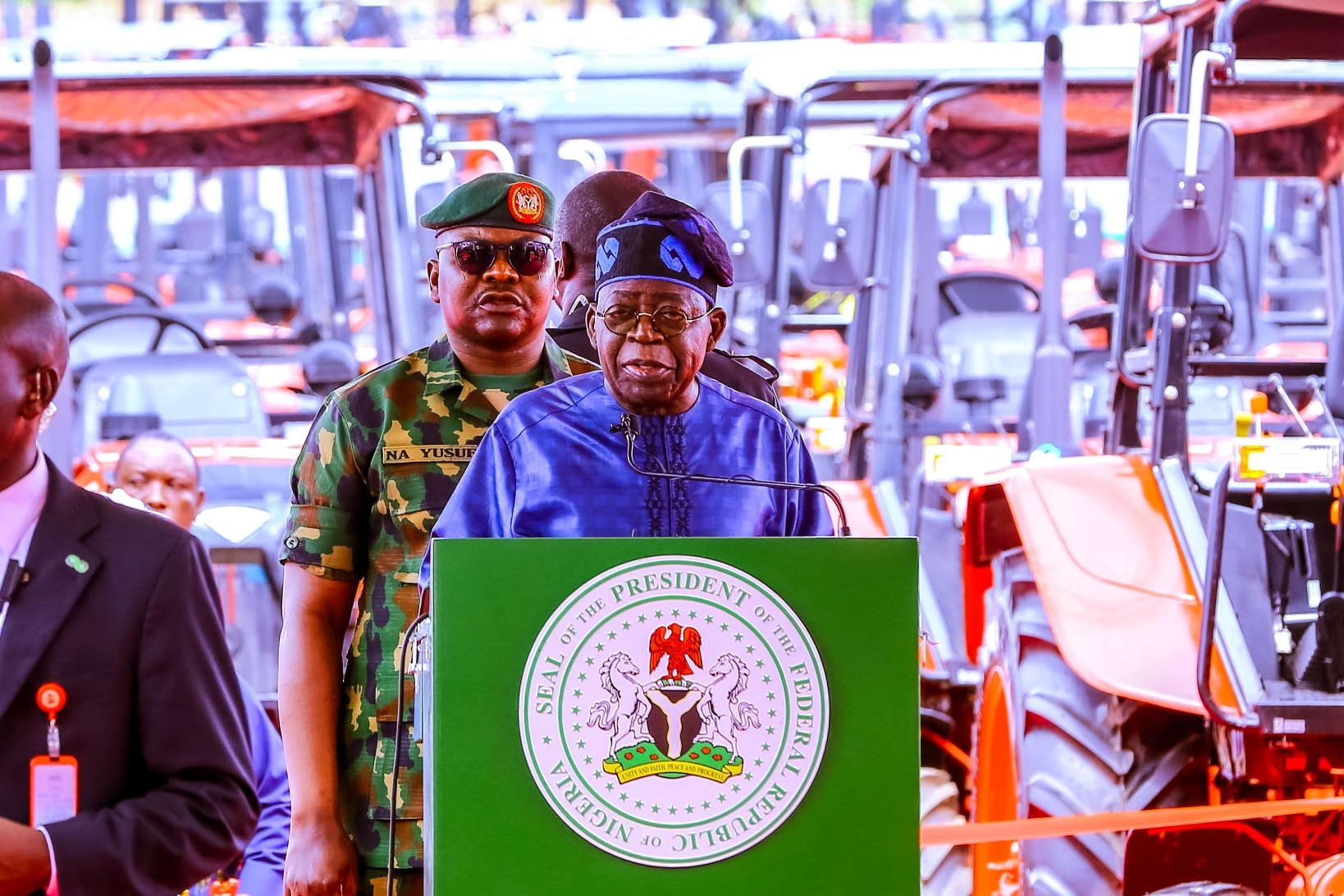
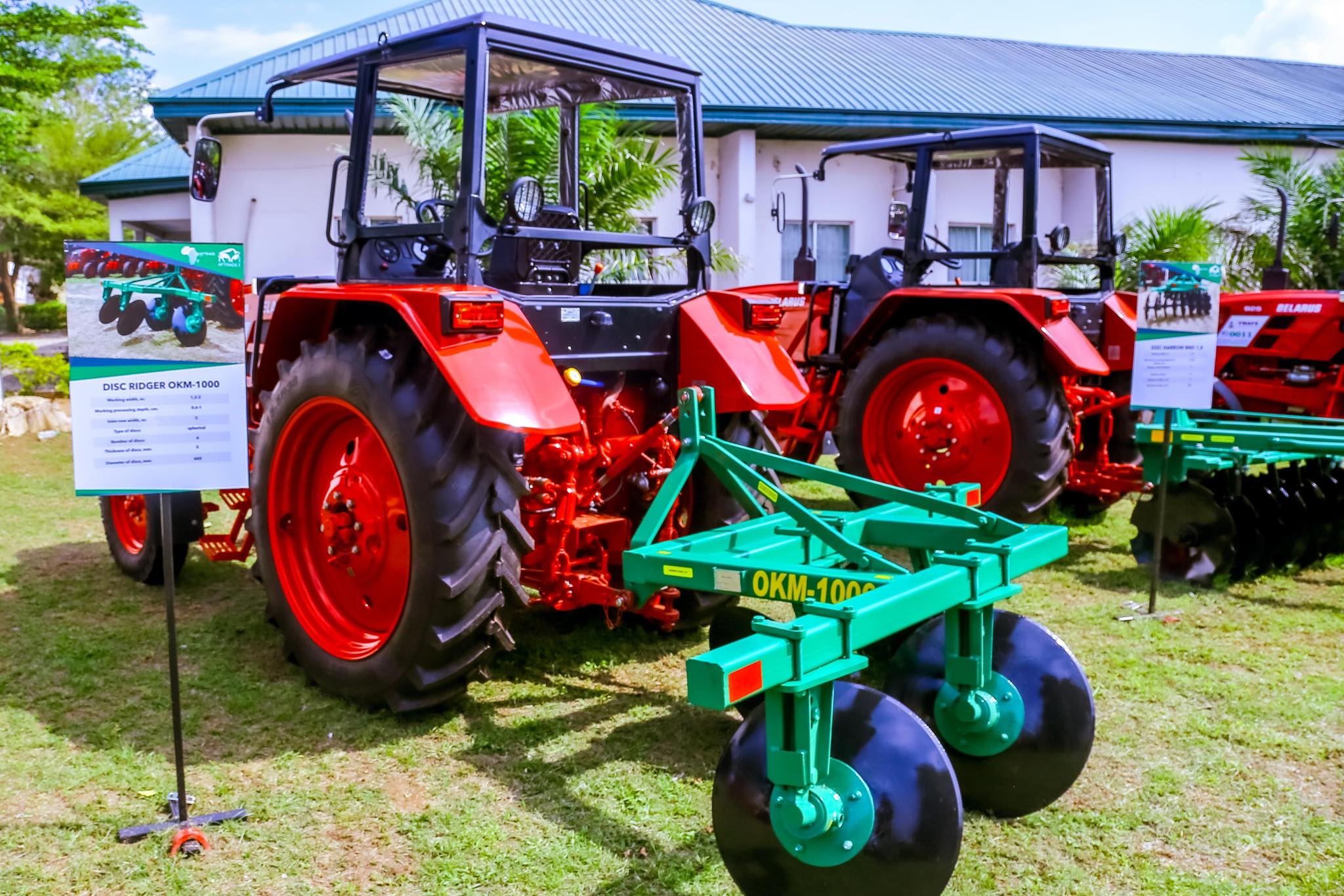
Central to driving this productivity is the Renewed Hope Agricultural Mechanisation Programme, which successfully replaced manual labor with modern industrial horsepower. Through high-level international partnerships, the administration oversaw the historic deployment of 2,000 advanced tractors alongside more than 9,000 specialized farming implements. This single largest mechanization drive in the nation’s history has moved the country away from outdated agricultural practices, optimizing land preparation and drastically accelerating harvest cycles for staple crops.
Alongside mechanical advancement, the government has prioritized immediate grassroots input support to optimize soil yields. The administration successfully coordinated the nationwide distribution of 2.15 million bags of fertilizer to smallholder farmers, directly neutralizing the steep cost increases triggered by global supply chain disruptions. This massive input distribution, combined with the revitalizing of 5,000 hectares of critical irrigation infrastructure through the SPIN project, has successfully shifted the country toward year-round, multi-cycle cultivation.
Ultimately, these integrated interventions have culminated in the formal establishment of Special Agro-Industrial Processing Zones (SAPZ) to secure domestic value addition. By ensuring that raw harvests are processed, packaged, and refined within localized agro-hubs, the administration has minimized post-harvest losses and curbed market inflation for essential grains. Beyond stabilizing market prices, this transition to large-scale, processing-driven agriculture has successfully catalyzed the creation of over 60,000 new jobs within the agricultural value chain, ensuring long-term financial independence and career pathways for Nigeria’s youth.