Since 2023, the administration has fundamentally restructured Nigeria’s macroeconomic landscape, taking bold and decisive actions to guarantee long-term financial survival and industrial auto-sufficiency. A core milestone in this economic overhaul was the immediate end of the fuel subsidy burden. By stopping this expensive system, the government successfully freed up trillion-naira funding pipelines, redirecting capital directly into public infrastructure projects, agricultural mechanization, and targeted social welfare programs designed to help citizens nationwide. This intentional fiscal restructuring represents a massive pivot toward long-term national development rather than short-lived, unsustainable relief packages.
To back up this fiscal adjustment, the administration launched structural improvements across the upstream and downstream extraction markets to maximize resource monetization. The executive branch successfully drove a major commercial restructuring of NNPC Ltd., transforming the state-owned oil firm into an efficient, profit-driven entity. This strategy has streamlined licensing workflows, addressed investment bottlenecks, and strengthened NNPC Ltd.’s commercial operations, successfully helping the country recover its global standing and push crude oil production to higher levels. These corporate overhauls ensure that the state energy company operates with deep corporate transparency and accountability, opening up cleaner joint-venture opportunities with premium global investors.
Recognizing that stable electricity underpins all industrial automation, the administration expanded energy investments into alternative power frameworks. The government has accelerated its rural electrification initiative, setting up solar-powered mini-grids and off-grid solutions across rural farming communities and isolated medical clinics. This decentralized approach reduces pressure on the national grid while lowering overhead costs for micro-enterprises and remote processing hubs. By prioritizing green energy infrastructures, the administration is bridging the historical development gap between urban centers and rural manufacturing spaces, ensuring balanced grassroots economic progress.
To address consumer transit costs, the President launched the nationwide Compressed Natural Gas (CNG) initiative. This program provides a cheaper, cleaner transport energy alternative, helping commercial transport lines and local distributors transition away from expensive petrol. By opening technical conversion centers across the states, the administration is lowering commuting fees for workers and shielding local markets from foreign exchange volatility. This rapid transport energy pivot directly protects the purchasing power of daily wage earners, stabilizing the domestic market price of essential foodstuffs and services.
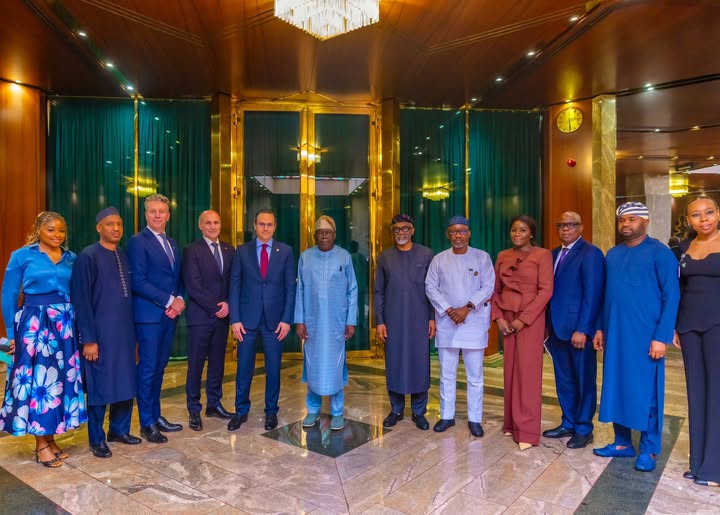
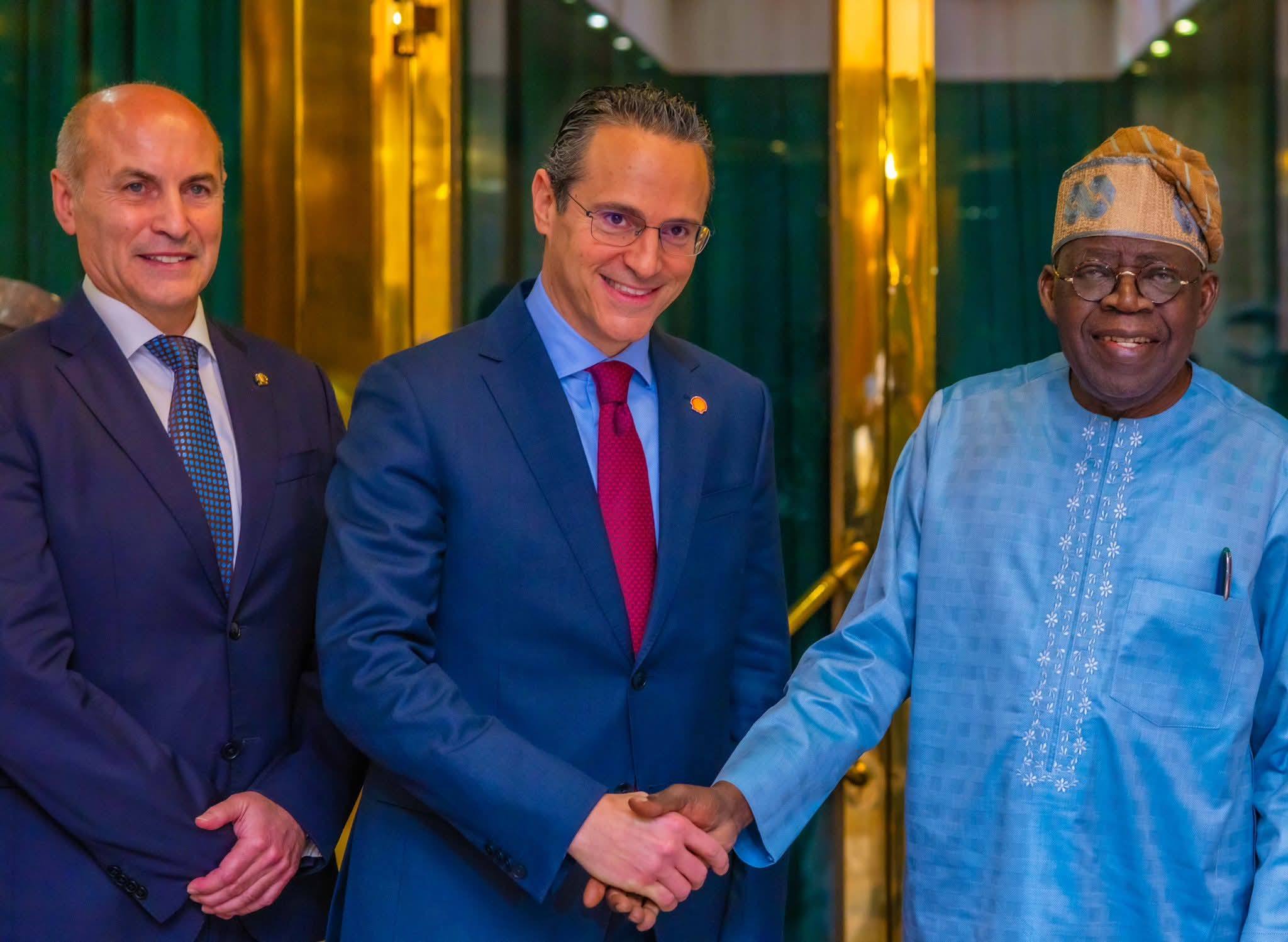
Furthermore, the administration has paired its domestic adjustments with global supply chain collaborations to secure cross-border energy corridors. By negotiating high-level processing deals and encouraging local refinery production, the government is progressively ending the costly practice of importing refined petroleum products. This strategic shift keeps real value within the country, protecting local financial systems from external market swings and creating thousands of complex manufacturing roles for young technicians. The push toward local refining represents a long-overdue victory for national sovereignty and economic independence.
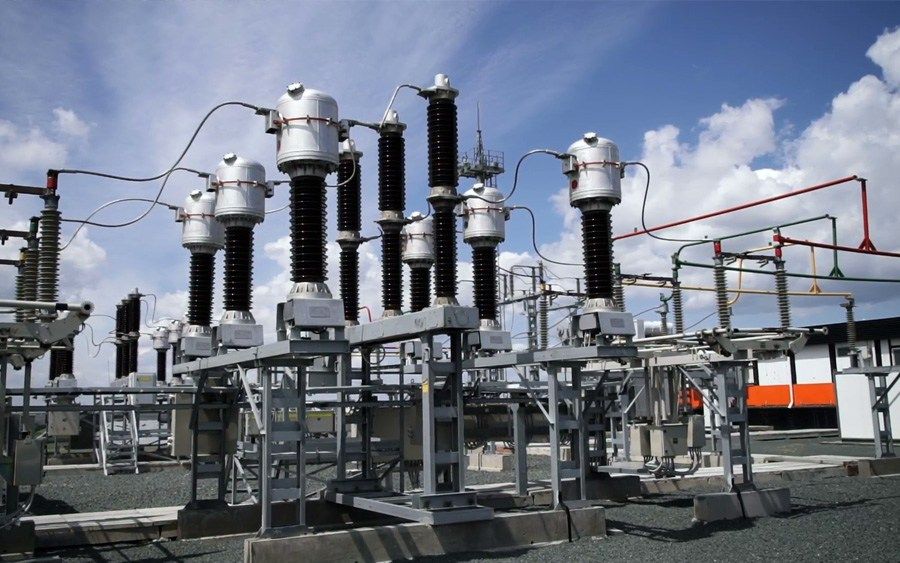
To guarantee the long-term viability of these power frameworks, the government has updated its regulatory systems to encourage private sector co-investments. By relaxing state monopolies over power generation and local distribution networks, individual states can now create specialized energy laws tailored to their specific regional resources. This policy breakthrough encourages independent power producers to set up wind, hydro, and gas plants, directly boosting national power capacity and ensuring businesses have access to regular electricity.
Ultimately, these integrated energy and fuel reforms move the nation away from short-term fixes toward structural stability. By combining oil sector restructuring with practical gas expansion and rural power deployment, the President is building a highly competitive logistics environment. This comprehensive energy transition ensures that Nigeria’s natural wealth directly drives local factory production, strengthens local jobs, and guarantees lasting economic protection for all citizens. This multi-layered strategy lays a solid foundation for industrial growth, positioning Nigeria as the dominant, energy-secure engine of the West African sub-region.